How to Build a Personal Brand That Gets You Noticed
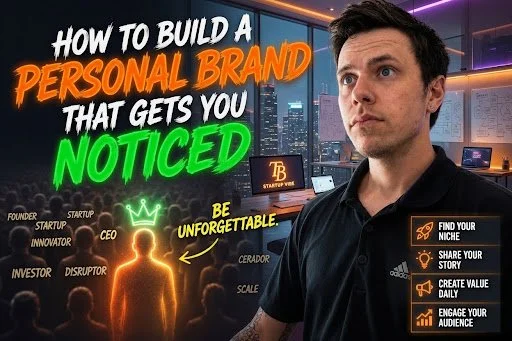
Whether you’re a music producer, recording artist, sports card collector, breaker, or trading card content creator, building a personal brand can be one of the most valuable things you do.
Your content might be different from everyone else’s.
Your audience doesn’t have to be.
The people who follow creators today aren’t just following what they create they’re following who they are, what they represent, and the world they’re building around their interests.
That’s what makes a personal brand so powerful.
What Is a Personal Brand?
A personal brand is the identity people associate with you online.
It’s the combination of your:
Personality
Interests
Expertise
Content
Visual identity
Opinions
Story
Skills
Community
Reputation
Think about the difference between someone who simply posts beats and a producer who has built an identity around their sound, personality, lifestyle, and creative process.
Or the difference between someone who simply opens trading card boxes and a creator who has become known for their collecting strategy, reactions, humor, knowledge, and unique perspective.
The product gets attention. The personality creates loyalty.
You Don’t Have to Be Famous to Build a Brand
One of the biggest misconceptions about personal branding is that you need thousands of followers before you can start.
You don’t.
Your brand begins with the first person who recognizes your name and remembers what you do.
You can have 100 followers and still have a stronger personal brand than someone with 10,000 followers if people actually remember you.
The goal isn’t simply to accumulate followers.
The goal is to become recognizable.
Find Your Intersection
The strongest personal brands often exist at the intersection of multiple interests.
A music producer might combine:
Music + Entrepreneurship + Collecting + Philadelphia Culture
A trading card creator might combine:
Sports Cards + Investing + Entertainment + Humor
An artist might combine:
Music + Fashion + Gaming + Lifestyle
You don’t necessarily need to choose one interest and abandon everything else.
Your unique combination of interests may actually be what makes you interesting.
Your hobbies can become part of your marketing.
If you’re a producer who collects cards, talk about cards.
If you’re a card collector who loves music, use your music in your videos.
If you’re an artist who loves sports, incorporate sports culture into your content.
Instead of hiding the things that make you different, build around them.
Create a Consistent Identity
People should be able to recognize your content before they even see your username.
That can come from:
A recognizable name
Consistent graphics
A specific color palette
Recurring content formats
A recognizable voice
Consistent photography
Catchphrases
A particular editing style
A unique perspective
Consistency creates familiarity.
Familiarity creates recognition.
Recognition creates trust.
And trust makes it much easier to turn an audience into customers, fans, clients, subscribers, or supporters.
Give People a Reason to Follow You
Don’t just ask:
“What can I post?”
Ask:
“Why would someone want to follow me?”
A producer could provide:
Production tips
Beat breakdowns
Sample flips
Studio content
Industry opinions
Free resources
Behind the scenes content
An artist could provide:
New music
Songwriting content
Studio sessions
Personal stories
Performance clips
Music education
Lifestyle content
A sports card creator could provide:
Box breaks
Card values
Collection updates
Market commentary
Pull reactions
Buying strategies
Hobby news
Your content should repeatedly reinforce why you are worth paying attention to.
Build Around Content Pillars
Instead of randomly posting whatever comes to mind, create several recurring content pillars.
For example:
1. Your Expertise
Teach people something you know.
2. Your Journey
Show people what you’re working toward.
3. Your Personality
Let people get to know the person behind the content.
4. Your Interests
Show the hobbies and subjects that make you unique.
5. Your Products or Services
Give people opportunities to support your business.
This creates a brand that feels like a person rather than an advertisement.
Document the Journey
You don’t need to wait until you’ve “made it.”
In fact, the journey can be more interesting than the destination.
A producer trying to land bigger placements can document the process.
An artist trying to grow their audience can document the process.
A collector building a collection can document the process.
A breaker growing a channel can document the process.
People enjoy watching progress.
Don’t just show the finished product. Show the story behind it.
Turn Your Audience Into a Community
A personal brand becomes much more powerful when your audience starts interacting with each other.
Ask questions.
Respond to comments.
Create recurring series.
Feature your followers.
Share their accomplishments.
Create inside jokes.
Give your audience something to participate in.
You aren’t simply building followers.
You’re building a community around your identity and interests.
Build Something You Own
Social media is incredibly powerful, but you don’t control the platform.
Algorithms change.
Platforms change.
Trends disappear.
Accounts can lose reach.
That’s why your personal brand shouldn’t exist entirely on social media.
Build a website.
Create an email list.
Publish articles.
Create resources.
Sell products.
Build a searchable library of content.
Your social media can bring people into your ecosystem but your ecosystem should be something you control.
Your Brand Can Become a Business
A personal brand can eventually create multiple revenue streams.
For a music creator, that could include:
Beat licensing
Music
Production services
Samples
Courses
Sponsorships
Affiliate marketing
Publishing
Digital products
For a trading card creator:
Sponsorships
Affiliate marketing
Card sales
Breaks
Memberships
Digital products
Advertising
Consulting
Content partnerships
The important part is that the audience comes first.
Build attention. Build trust. Then build monetization around it.
Stop Trying to Look Like Everyone Else
There are thousands of producers.
Thousands of artists.
Thousands of card collectors.
Thousands of breakers.
Thousands of creators competing for attention.
Trying to look exactly like everyone else makes you easier to ignore.
Your weird interests, personality, story, humor, opinions, skills, and experiences may actually be your competitive advantage.
Your personal brand should make people think:
“I know exactly who this is.”
That’s the goal.
Start Building Your Brand Today
You don’t need a massive following.
You don’t need expensive equipment.
You don’t need a huge marketing budget.
You need a clear identity, consistent content, something you’re passionate about, and the willingness to keep showing up.
Whether you’re producing beats, releasing music, collecting cards, breaking boxes, or building a completely different type of creator business, your personal brand can become the foundation that connects everything you do.
Your interests don’t have to compete with each other.
They can become the reason people remember you.